Uncover the Soul of Defiance: Visiting the Warsaw Uprising Museum
The Warsaw Uprising Museum serves as a monument honoring human resilience against tyranny. It offers a remarkable glimpse into the sacrifices made during one of history's most defining moments. Attendees can immerse themselves in compelling exhibits showcasing individual accounts and shared history. This exploration of the past raises important questions about liberty and the enduring pursuit of democratic ideals. What wisdom can be extracted from these stories, and how do they remain relevant in the present?
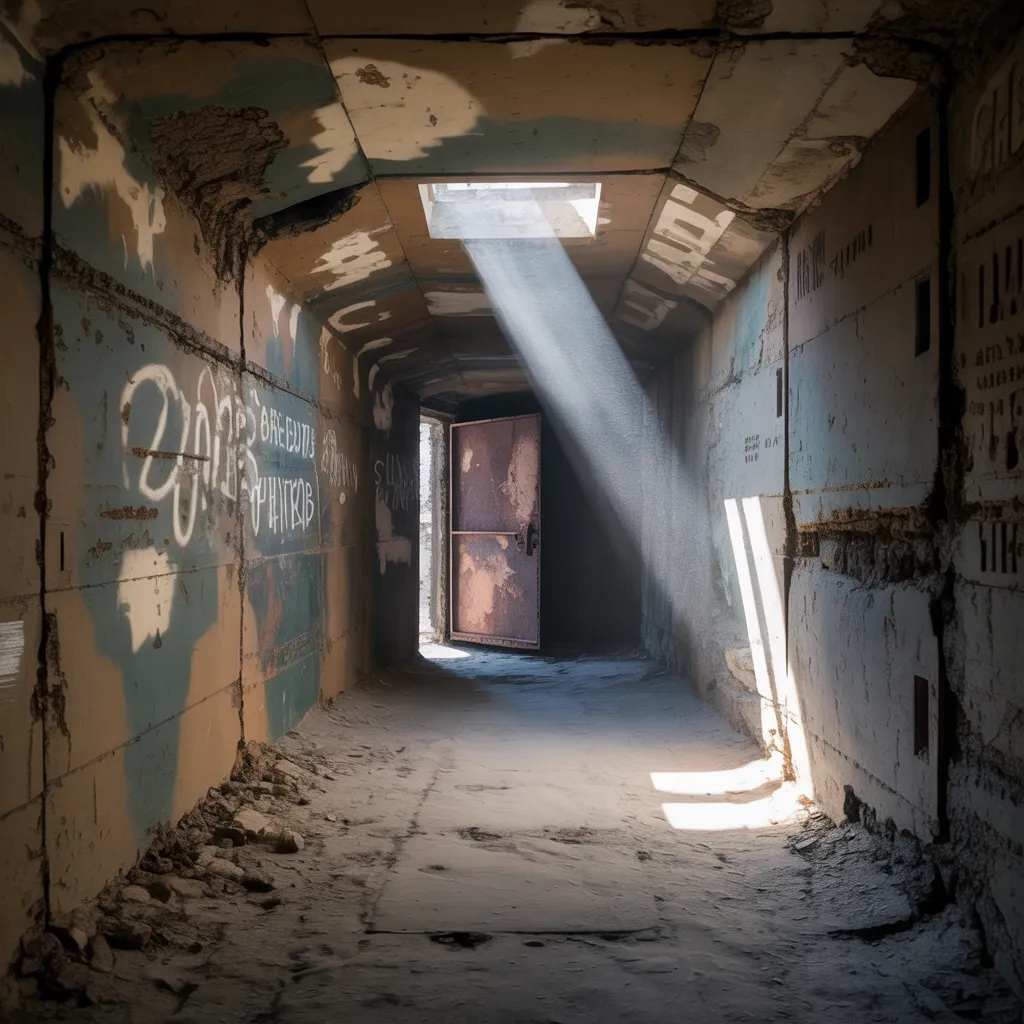
The Reasons The Warsaw Uprising Remains Important Today
The relevance of the Warsaw Uprising holds great weight in contemporary society, embodying resilience in the face of subjugation. This landmark historical occurrence, which transpired in the course of the Second World War, illustrates the bravery of those who rose up against tyranny, establishing it as a compelling touchstone for current struggles against authoritarianism. The uprising serves as a reminder of the price paid for independence, instilling a sense of obligation to defend the principles of democracy in the present day.
In an era marked by rising nationalism and populism, the lessons of the Warsaw Uprising encourage watchfulness against the undermining of civil freedoms. It additionally nurtures a mutual recognition of the value of unified efforts in championing human rights. Moreover, the uprising unites generations, joining the stories of historical heroes with modern justice movements. Consequently, its legacy continues to inspire people and communities across the globe, underscoring the perpetual pursuit of freedom and equality.
Uncover Key Exhibits and Personal Stories
Upon exploring the Warsaw Uprising memorial museum, visitors can uncover key exhibits that vividly portray the difficult experiences of those who participated. Among the museum's holdings are photographs, personal artifacts, and historical documents that depict the everyday hardships endured by civilians and fighters alike. Among the most touching exhibits is one featuring a collection of letters written by insurgents, exposing their innermost hopes and anxieties throughout the conflict. Another highlights the stories of families who were displaced, showcasing the human toll of conflict.
Additionally, the museum showcases weapons and uniforms used during the uprising, offering insight into the challenging situation. The narrative is enriched by audio recordings of survivors recounting their experiences, lending a deeply personal touch to the historical events. These installations not only inform guests about the uprising but also celebrate the strength and valor of those who stood up for their community, bringing historical events to life for modern visitors.
Essential Interactive Exhibits at The Museum
How do interactive exhibits help visitors better understand the Warsaw Uprising? At the Warsaw Uprising Museum, such exhibits provide an engaging and dynamic approach to exploring history. One standout exhibit allows visitors to navigate a virtual map of the city as it existed during the uprising, providing context to the geographical challenges faced by insurgents. Another immersive experience simulates the sounds of battle, enveloping guests in the atmosphere of resistance.
Moreover, the exhibit offers a poignant interactive display where guests can submit personal reflections, encouraging a meaningful relationship to the broader historical context. Interactive screens showcase eyewitness stories from survivors, closing the distance between then and now. These interactive elements not only enlighten but also generate understanding, allowing the depth of the Warsaw Uprising to become more accessible and relatable. By means of these groundbreaking displays, the exhibit transforms historical learning into an immersive exploration that resonates deeply with those who experience it.
Useful Advice For Visiting The Museum
What essential tips can enhance a visit to the Warsaw Uprising Museum? First, it is advisable to allocate at least two to three hours for a thorough exploration of the exhibits. It is suggested that visitors reserve tickets online beforehand to prevent long waits, especially during high tourist seasons. Audio guides are available and recommended, as they provide valuable context and deeper insights into the exhibits.
Coming early in the morning can further enrich the visit, allowing for a quieter atmosphere. Comfortable footwear is essential, as the exhibition requires considerable walking and time on your feet. Furthermore, guests are encouraged to review the museum's calendar for special events, workshops, or guided tours that could enrich their understanding. Finally, engaging with the museum staff for recommendations can lead to discovering lesser-known artifacts and stories that highlight the resilience of Warsaw's citizens during the uprising.
How The Uprising Forms Modern Polish Identity
The Warsaw Uprising remains a defining moment in the history of Poland, deeply shaping the nation's collective identity. This 1944 resistance against Nazi occupation symbolizes courage, resilience, and the struggle for freedom. The Uprising has emerged as a central reference point in contemporary Polish national identity, nurturing a sense of unity among Poles who see it as an homage to their common heritage and principles.
In present-day Poland, the Uprising is remembered in various forms, from public ceremonies to cultural expressions, deepening a communal memory that influences read this article national awareness. The bravery demonstrated during the Uprising is commemorated in literary works, film, and artistic expression, acting as a source of national pride.
Additionally, the Uprising's remarkable legacy drives persistent discussions about historical memory, sacrifice, and democracy, influencing civic engagement and political discourse. Consequently, the Warsaw Uprising's significance remains a foundation of the Polish national identity, embodying the undying spirit of resistance and the quest for sovereignty.
Motivating Future Generations Through The Museum
The Museum of the Warsaw Uprising plays an essential role in teaching younger audiences via its engaging displays, which engage them with the key moments of the insurrection. In maintaining these accounts, the memorial not only honors the past but also instills a sense of responsibility in generations to come. This strategy cultivates a deeper understanding of historical events and their continuing significance on the Polish national character.
Educating Through Interactive Exhibits
Whereas most museums strive to protect history, the museum dedicated to the Warsaw Uprising takes a distinctive approach by immersing visitors in interactive displays. These carefully designed installations invite individuals to immerse themselves in the experiences of those who lived through the uprising. By utilizing multimedia displays, virtual reality environments, and interactive activities, the museum fosters a deeper understanding of the historical significance and emotional impact of the events. Visitors can explore authentic artifacts and engage in storytelling that transforms history into a living experience, making it relatable to younger generations. This interactive methodology not only educates but also inspires empathy and critical thinking, making certain that the teachings of the uprising reach well past the museum's boundaries, shaping the perspectives of future leaders.
Maintaining the Impact of Historical Narratives
Through its interactive presentations, the Warsaw Uprising Museum not only educates guests but also plays an important role in maintaining historical stories that connect with those who follow. By presenting firsthand experiences, artifacts, and multimedia presentations, the museum encourages a deeper awareness of the Uprising's significance. This engagement helps to affirm that the sacrifices made during this crucial moment in history are not forgotten. The museum highlights the importance of resilience, courage, and collective memory, encouraging young people to consider their own values and responsibilities. As visitors form emotional bonds with the past, they are inspired to become involved members in building a just future. As a result, the museum functions as a vital conduit for conveying these essential accounts over the years.
Individual Stories That Shed Light on History
Amidst the relics and exhibits of the museum dedicated to the Warsaw Uprising, firsthand accounts emerge as powerful demonstrations of strength and bravery. Each story, be it from a combatant or an ordinary citizen, delivers a profoundly touching window into the personal journey during one of history's most harrowing periods. The institution presents letters, diaries, and oral testimonies that convey the emotions of loss, hope, and defiance, allowing visitors to connect with the past on a deeply personal level.
These stories illuminate the nuances of endurance, illustrating how everyday people transformed into exceptional heroes. They expose the moral dilemmas faced during the uprising and the bonds forged in adversity. By showcasing these deeply personal stories, the museum preserves not only history but also highlights the importance of distinct voices in molding collective remembrance. In the end, these individual accounts redefine the comprehension of the uprising, permitting it to echo in modern conversations surrounding resistance and identity.
Common Questions and Answers
What Are the Museum's Business Hours and Ticket Prices?
The museum operates every day between 10 AM and 6 PM, with extended hours on Thursdays until 8 PM. Ticket prices are 25 PLN for adult visitors, with students and seniors benefiting from reduced rates of 15 PLN.
Can You Take a Guided Tour at the Warsaw Uprising Museum?
Indeed, guided tours are offered at the museum. These guided experiences deliver in-depth insights into the displays and historical background, broadening visitors' knowledge of the events and significance of the uprising. Advance reservations are strongly advised.
Is Photography Permitted Inside the Museum?
Taking photographs is typically not allowed inside the museum in order to protect the displays and honor the dignified nature of the environment. Guests are invited to embrace the visit without taking photos, focusing instead on the historical significance.
Can I Find a Gift Shop or Café On-Site?
The museum includes both a souvenir shop and a café on-site. Guests are able to buy mementos and savor refreshments, adding to the enjoyment of their trip while learning about the historical value of the museum's collections.
Do You Have Any Special Events or Exhibitions Planned?
The museum frequently organizes special events and exhibitions. Upcoming programs feature presentations, film showings, and hands-on exhibits, providing visitors with deeper insights into the Warsaw Uprising's historical importance and lasting impact.